Huawei Mate 10 Pro review: A second opinion
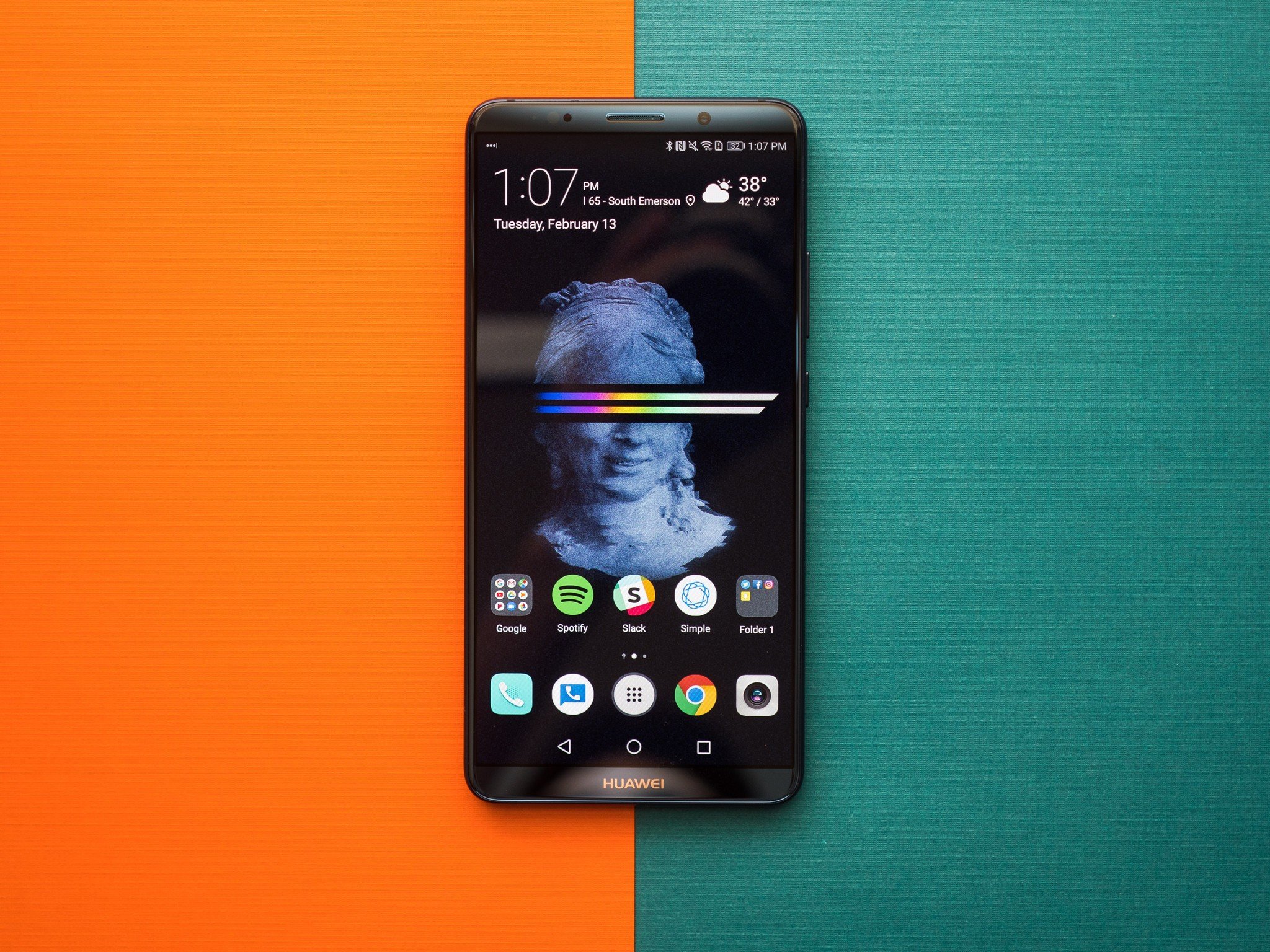
The Mate 10 Pro matches nearly everything you might expect from a 2018 flagship phone. It's absolutely gorgeous, with a sleek glass and metal design that curves to fit comfortably in your hand, despite a massive footprint, and it feels every bit as premium as phones from competing brands like Samsung or HTC. I love the aesthetic choice to put a horizontal stripe through the glass around the camera hardware, which gives it a unique and identifying look.
It's one of the more slippery phones around, and that glass back is quick to pick up scratches, but Huawei at least includes a thin TPU case in the box that does a good job at solving both problems.
One reason so many brands are moving to glass designs for their phones is to support wireless charging, but sadly you won't find that here. You also won't find a 3.5mm headphone jack, with the Mate 10 Pro going the way of USB-C audio, for better or worse. On the bright side, it's at least water-resistant — though that's basically a given in 2018.
As always, I love Huawei's placement of the fingerprint sensor around the back of the phone, just under the camera modules. It's in the perfect spot to quickly find with your index finger, and it's one of the fastest sensors I've ever used. What's more, it allows for swiping gestures to pull down the notification shade or swipe through photos in your gallery.
Up front, the Mate 10 Pro is all display, with a massive 6-inch AMOLED panel and that fancy new 18:9 aspect ratio everybody's been switching to. As a stickler for pixels, I was hoping for more than 1080p, but it's perfectly fine for daily use and a much lower battery drain than QHD.
Huawei has been making a lot of noise over the Mate 10 Pro's Kirin 970 chipset — and more specifically, the Neural Processing Unit it includes. This NPU equips the Mate 10 Pro with powerful AI features that aim to improve photography as well as maintain the phone's performance over time, but most of its enhancements are in the backend for now. Save for the scene detection feature (more on that later), you probably won't even notice that it's there.
You'll definitely notice the rest of the software, though. It's impossible to talk about a Huawei device without bringing up the company's often questionable UX design
EMUI 8 is running the show on the Mate 10 Pro, backed by Android 8.0 Oreo. As always, it's quite a departure from the traditional experience most Android users are accustomed to; there's no app drawer by default, and you'll have to sort through a myriad of pre-installed Huawei software that tends to replicate features that already exist elsewhere on the phone.
To be fair, EMUI is more reserved than ever with the Oreo refresh, as menus in the Settings app are now far less convoluted, and enabling the app drawer reveals a pretty reserved and close-to-stock home screen, complete with the Google Feed. But certain fundamental problems persist throughout the UI.


Comments
Post a Comment